
Why the Cheapest Dental Work Is Usually the Most Expensive in the End

Fazal Rehman
•
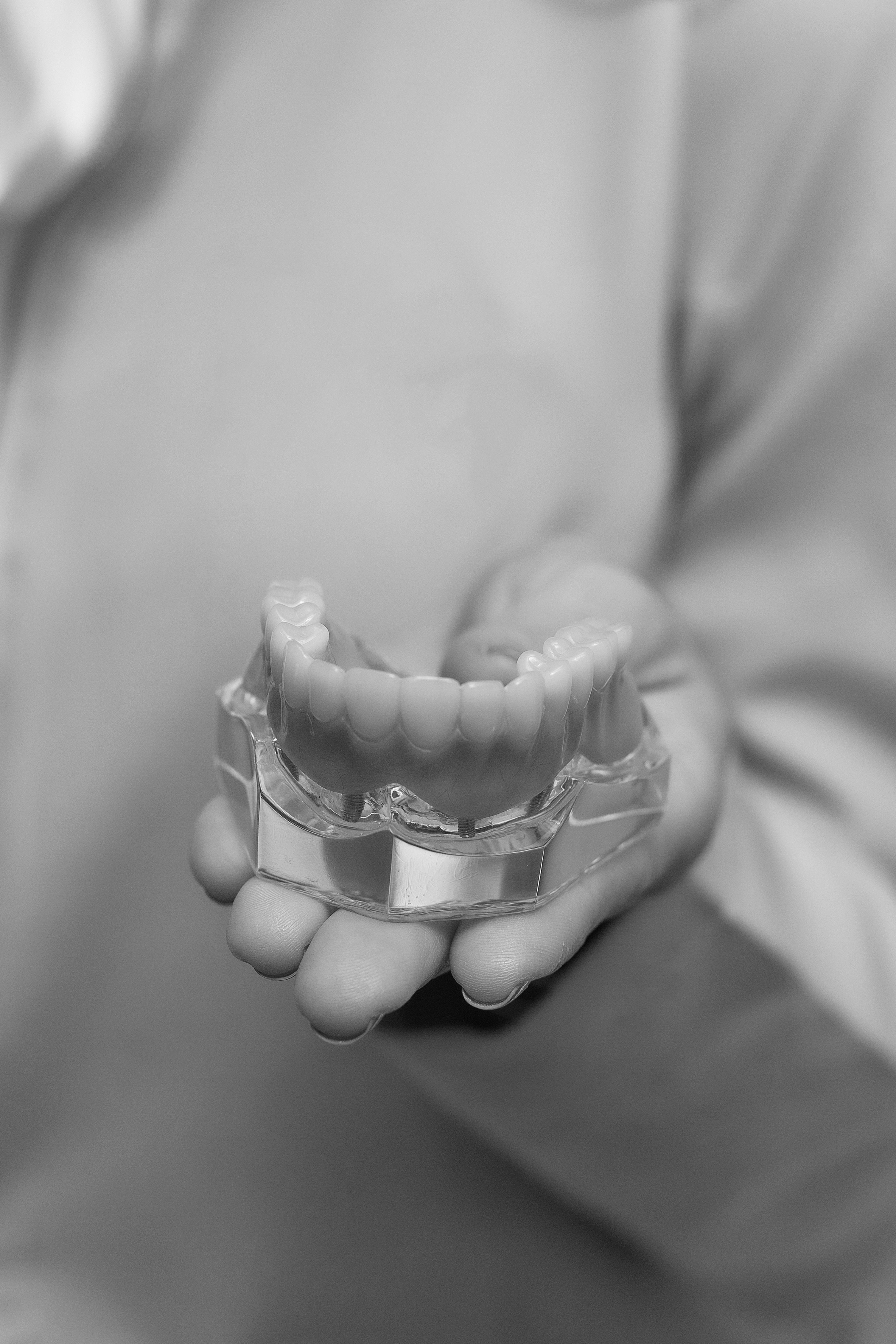
This is not an argument for overspending on dental care. It's an observation about what happens when the decision is made purely on price.
A crown that costs significantly less than market rate is less expensive for a reason. The materials are cheaper, the fit is less precise, the lab doing the work is cutting margins somewhere. A crown that doesn't fit properly creates a gap between the restoration and the tooth where bacteria accumulate. Over time, decay forms underneath the crown where it can't be seen or cleaned. By the time it becomes symptomatic, the tooth underneath may be compromised beyond saving and an implant is now on the table.
The same pattern plays out across almost every category of dental work. Veneers placed without proper preparation fracture or debond prematurely. Implants placed without adequate bone assessment fail during integration. Fillings done quickly with mismatched material wear unevenly and need replacement in half the time they should.
Every one of those failures requires more treatment. More appointments, more procedures, more cost. The saving at the beginning becomes an expense at the other end, and usually a larger one.
None of this means the most expensive option is always the right one. But price should be one factor in a decision, not the deciding factor. The questions worth asking are about materials, about the clinician's specific experience with the procedure, about what the process looks like and how long it takes. A practice that rushes through a crown preparation in twenty minutes is cutting time somewhere. Time that matters.
Good dental work is designed to be invisible and permanent. When it's done right, you don't think about it again for ten or fifteen years. That's what you're paying for. Not the appointment. The decade of not having to come back.
Share this post